Integrated hardware and software approach
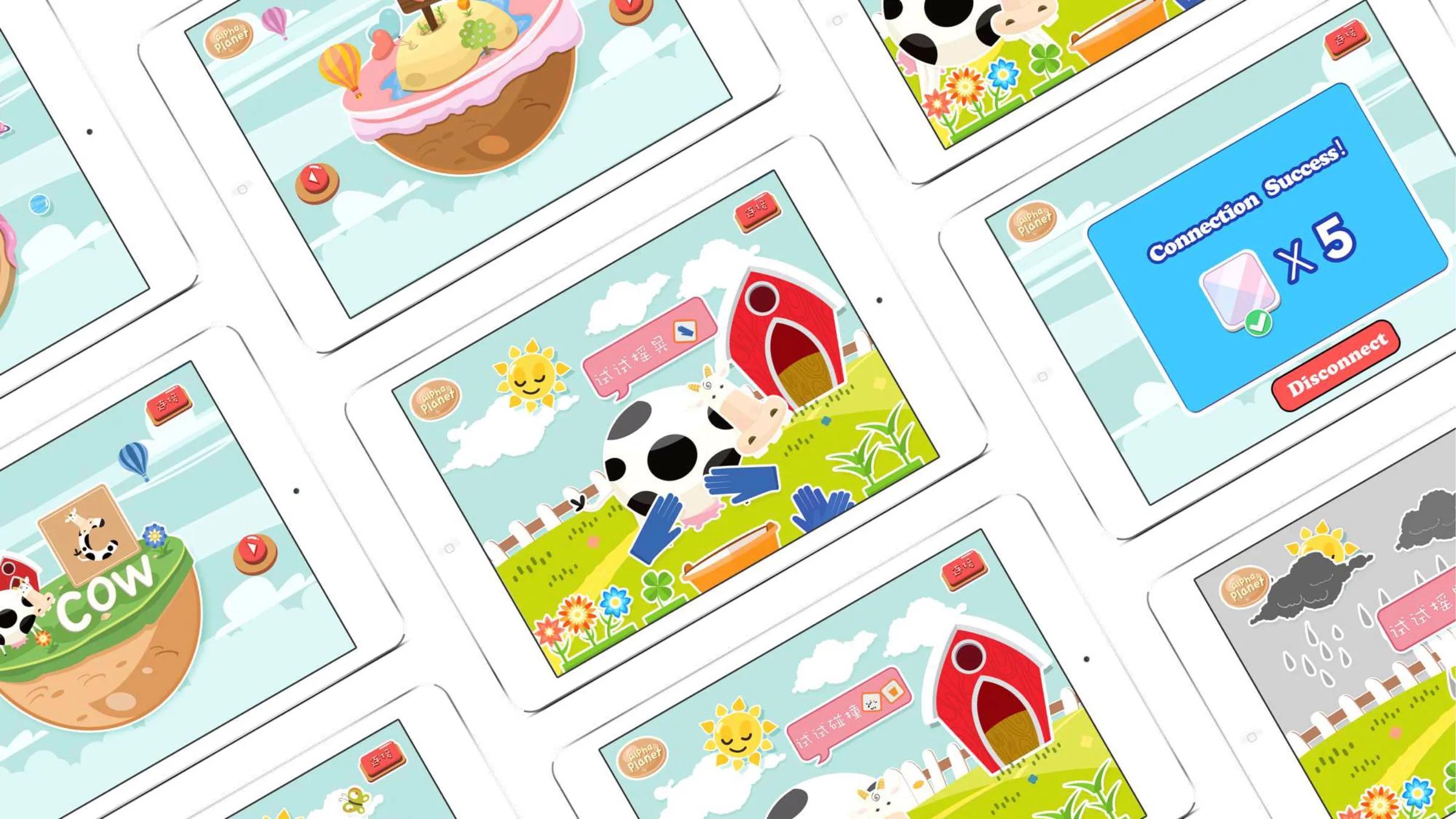
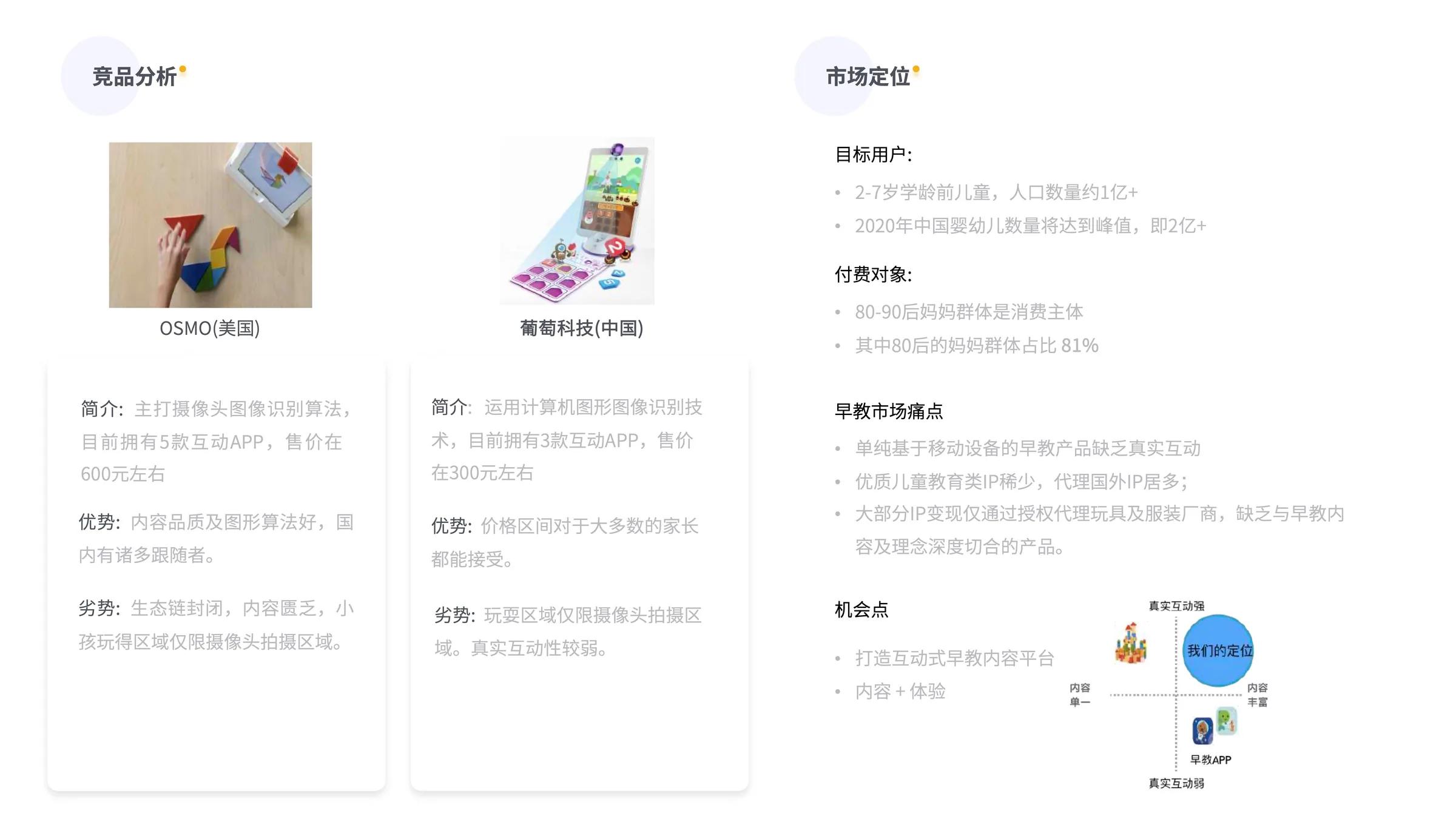
We built a hybrid early educational ecosystem combining physical smart toy blocks, a companion mobile application, and external displays (tablets/TVs). Each physical block features an integrated screen that updates dynamically based on the current learning phase. By bridging tangible hardware mechanics with real-time digital software rendering, the system transitions children away from isolating, passive screen time and into a dynamic, multi-dimensional learning environment.
Tangible interaction framework
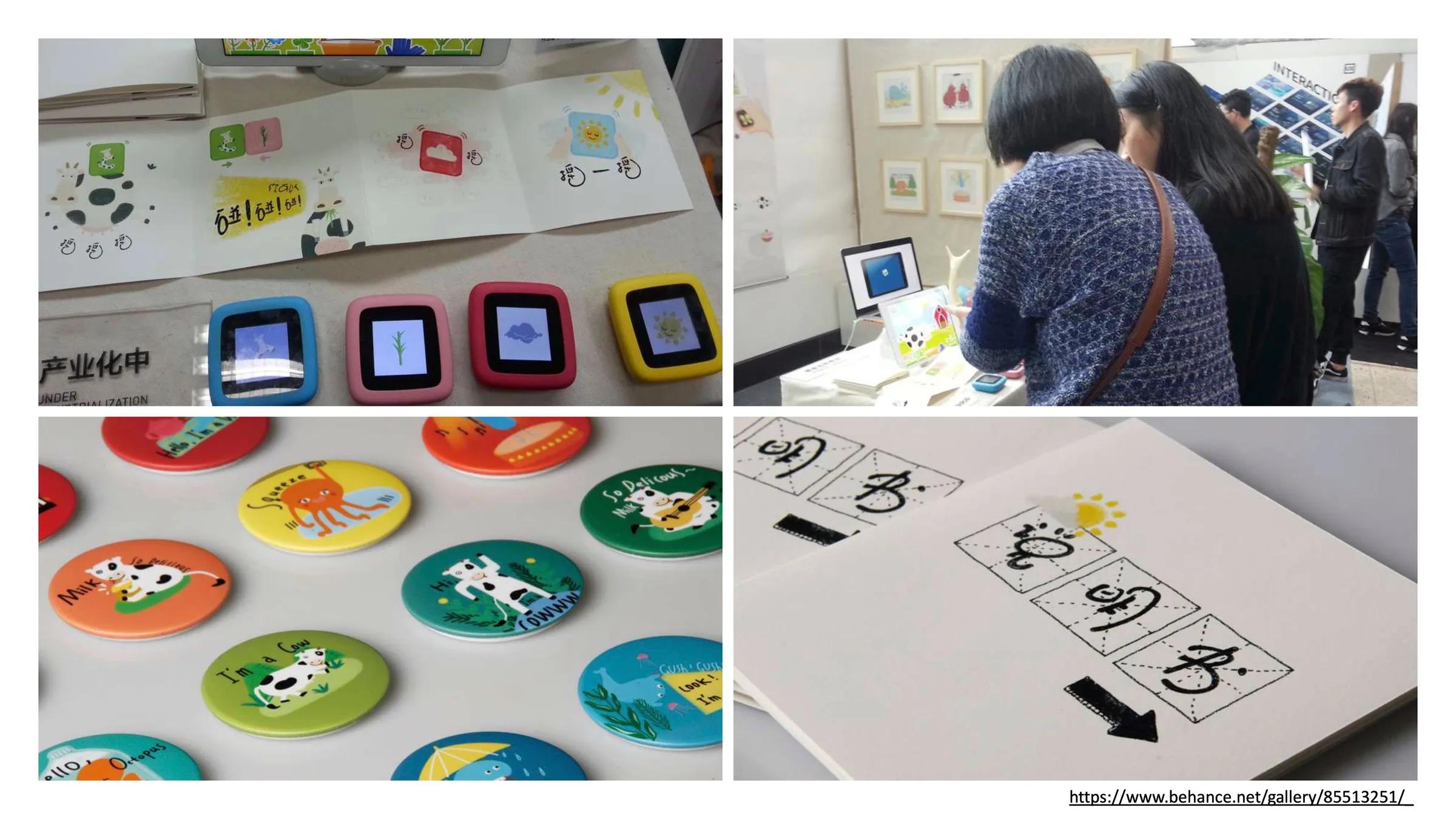
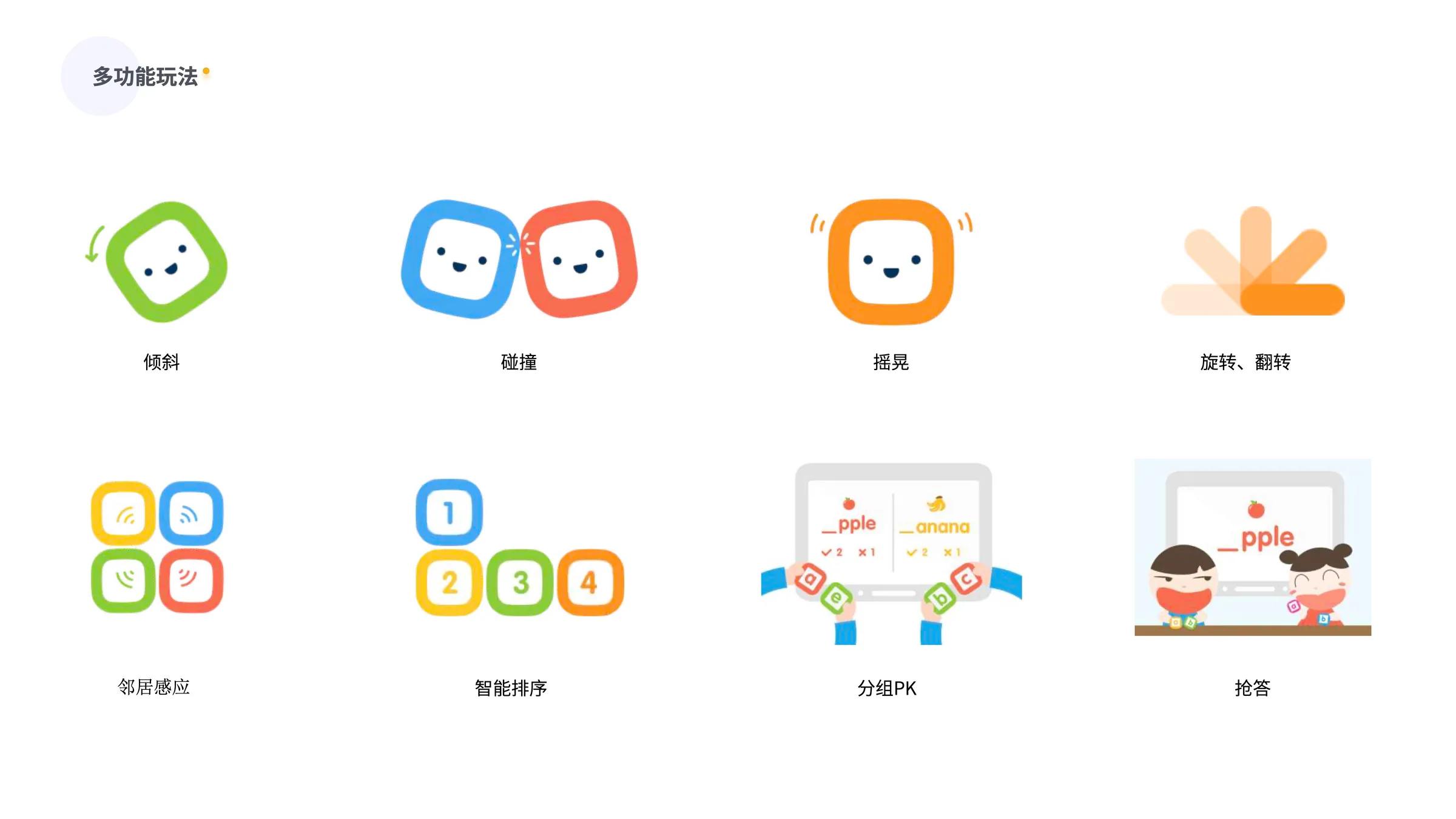
We designed an intuitive vocabulary of physical gestures—such as tilting, shaking, bumping, and flipping—to drive the digital narrative. Advanced features like proximity sensing and smart sorting allow separate hardware blocks to communicate with each other, automatically validating correct physical sequences (such as spelling a word in the correct order). This physical-digital link directly translates competitive group play (PK) and team collaboration into clear cognitive milestones.
Content ecosystem & asset production
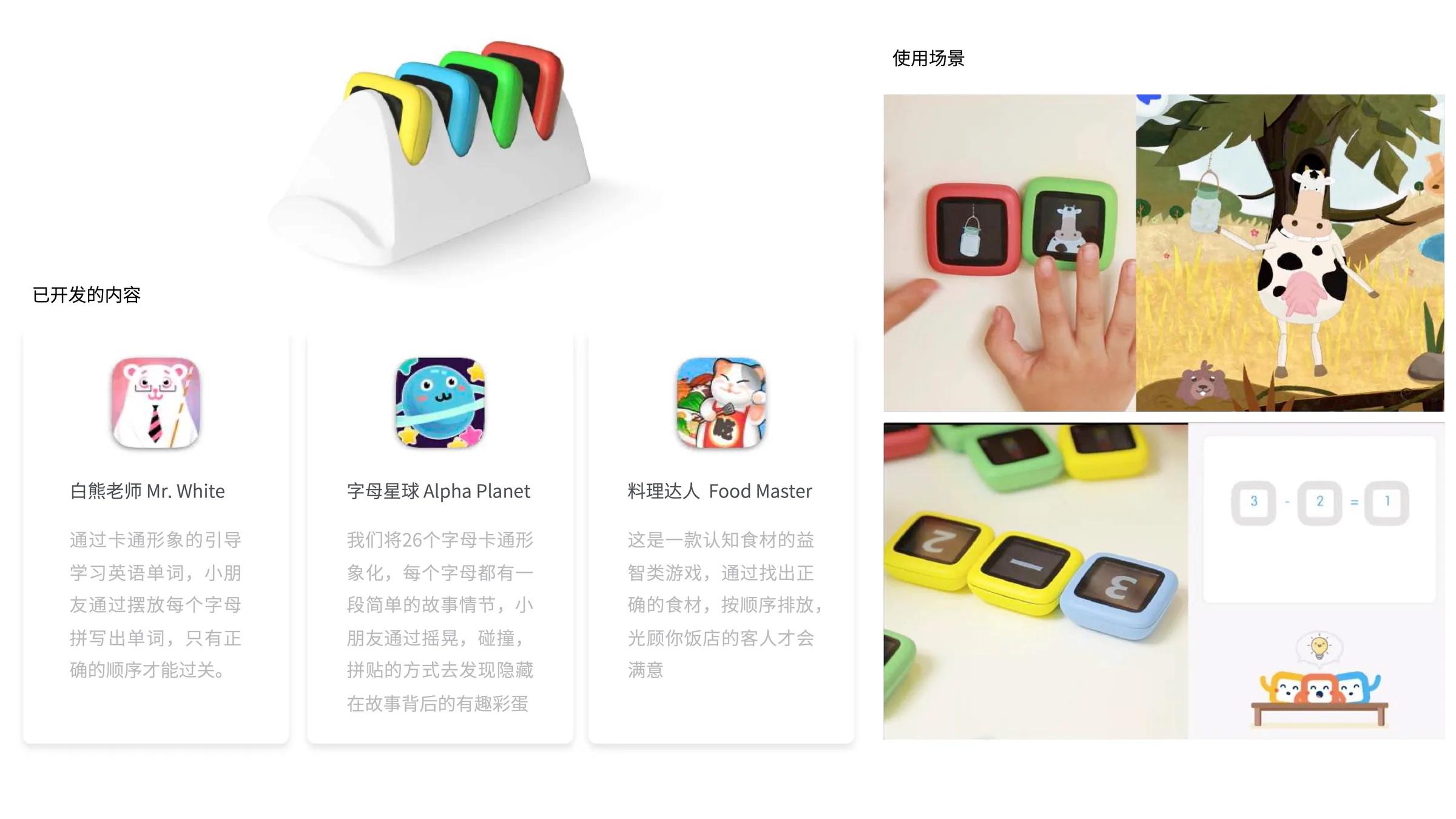
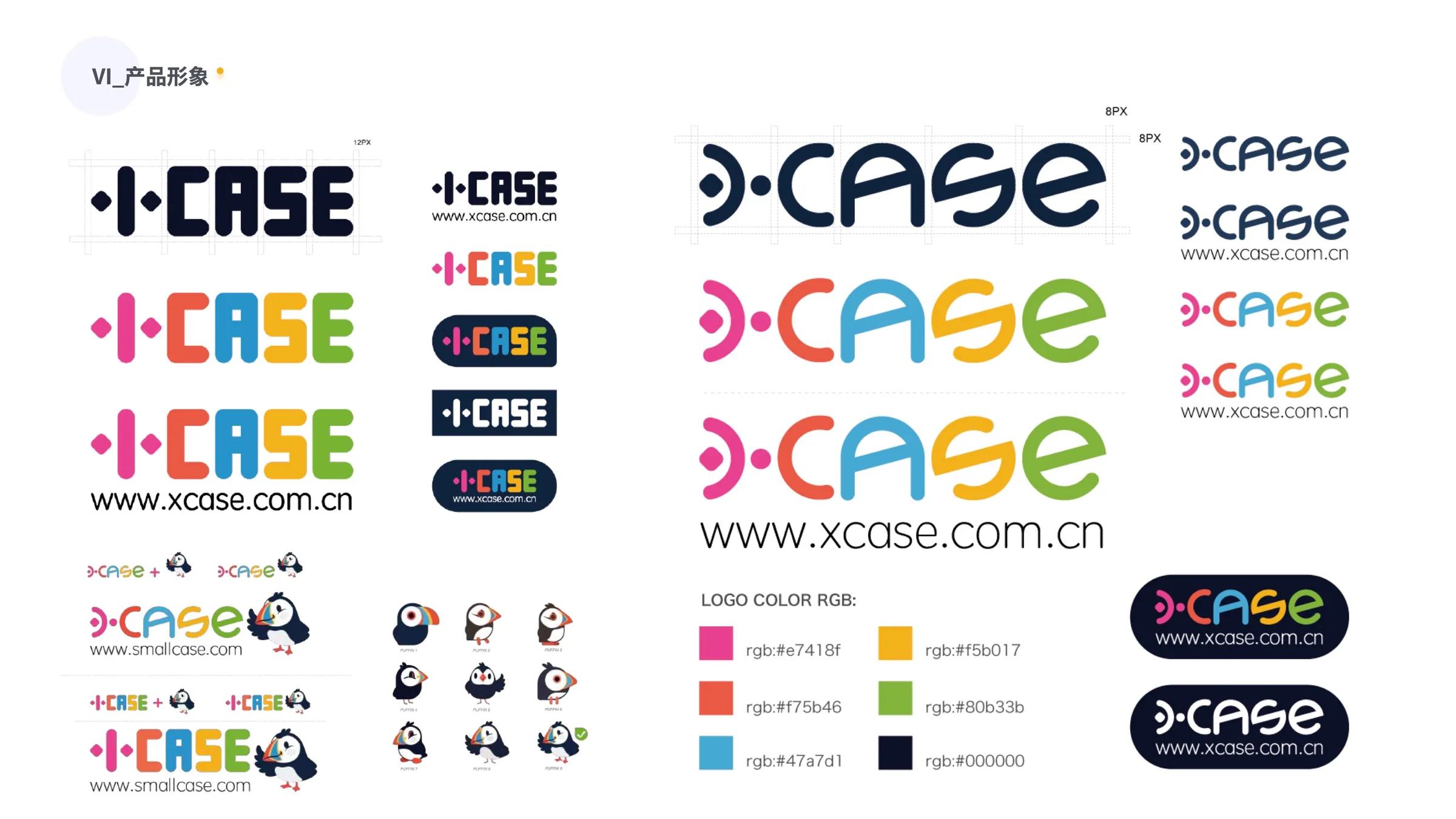
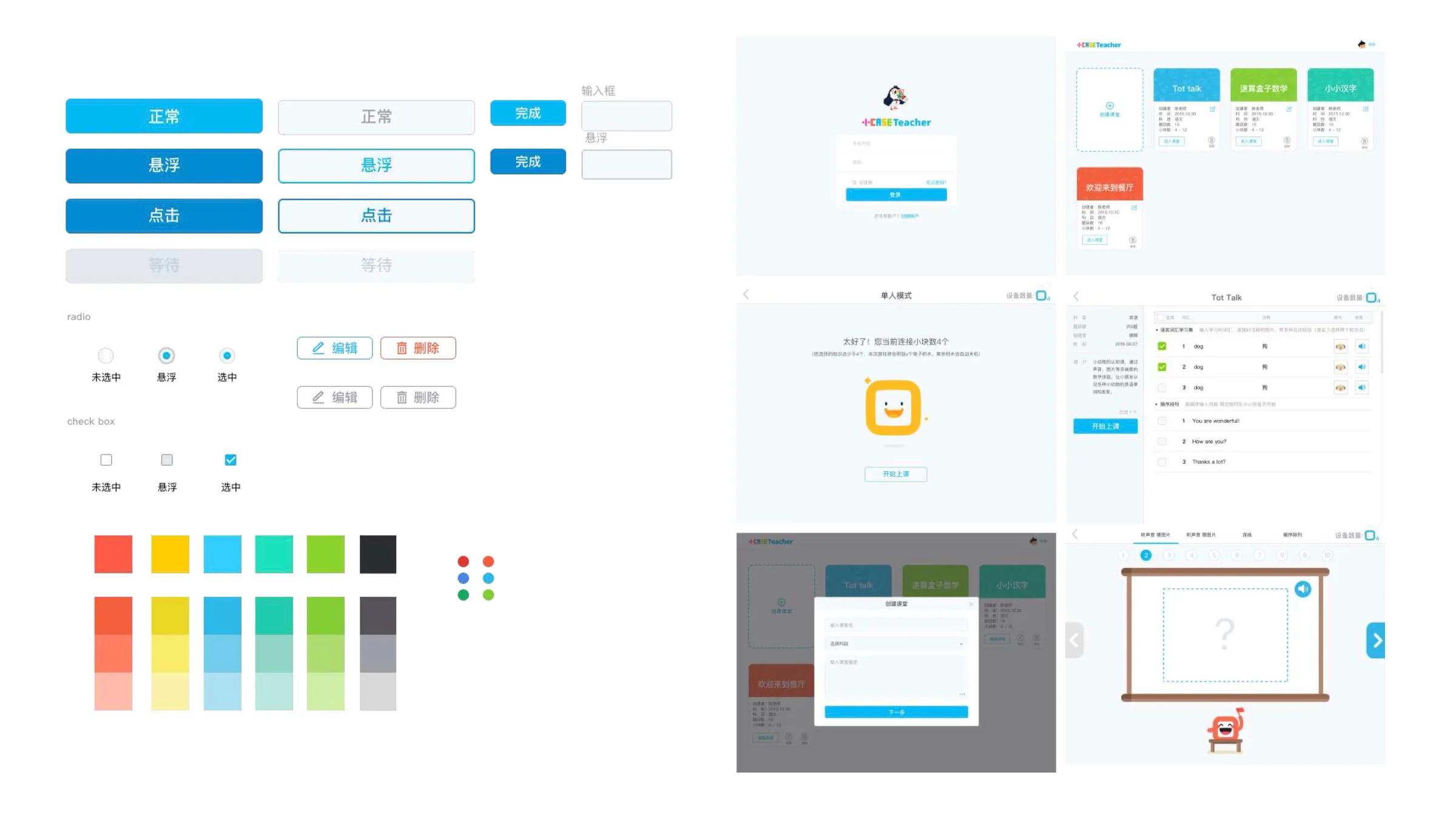
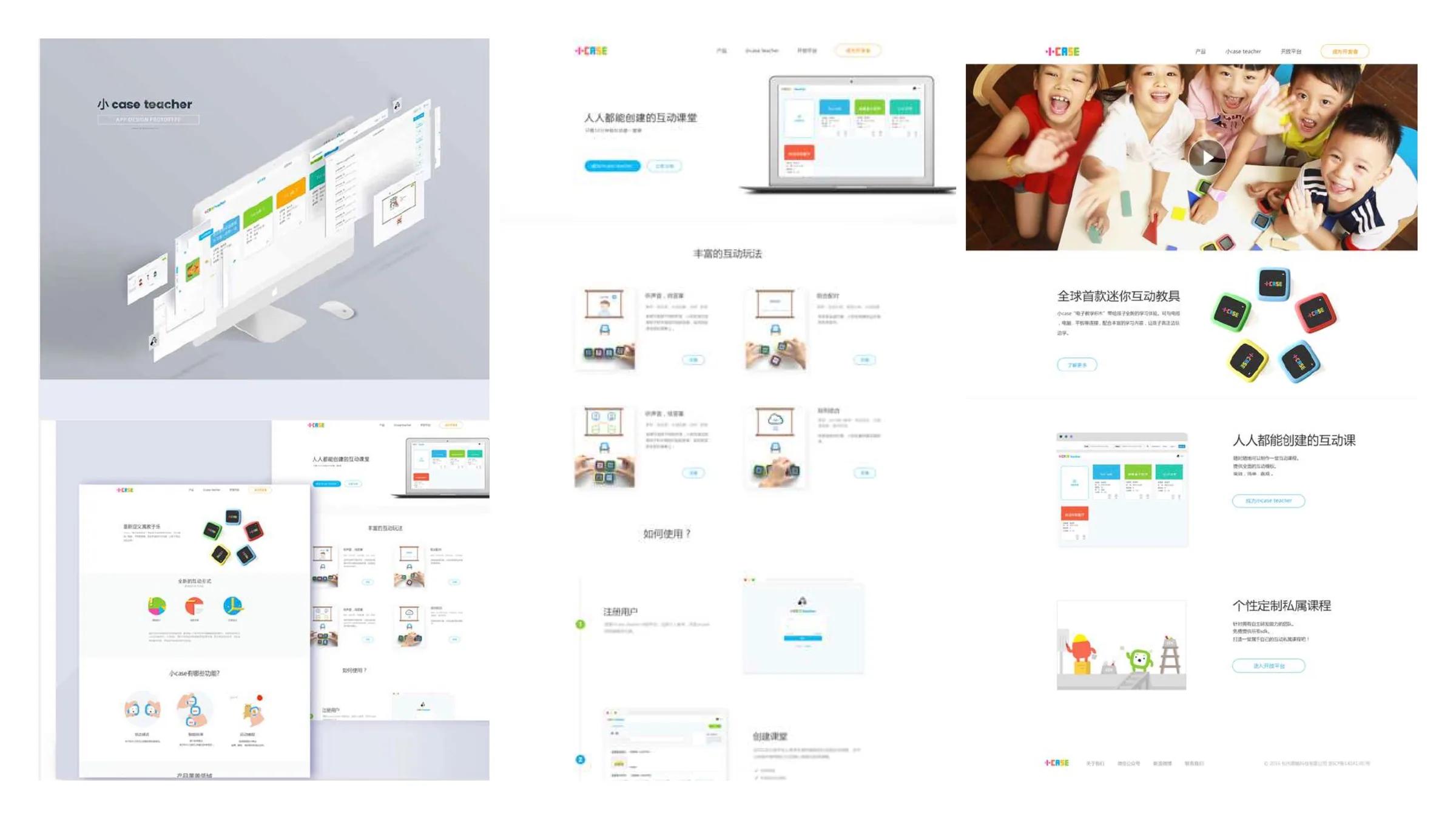
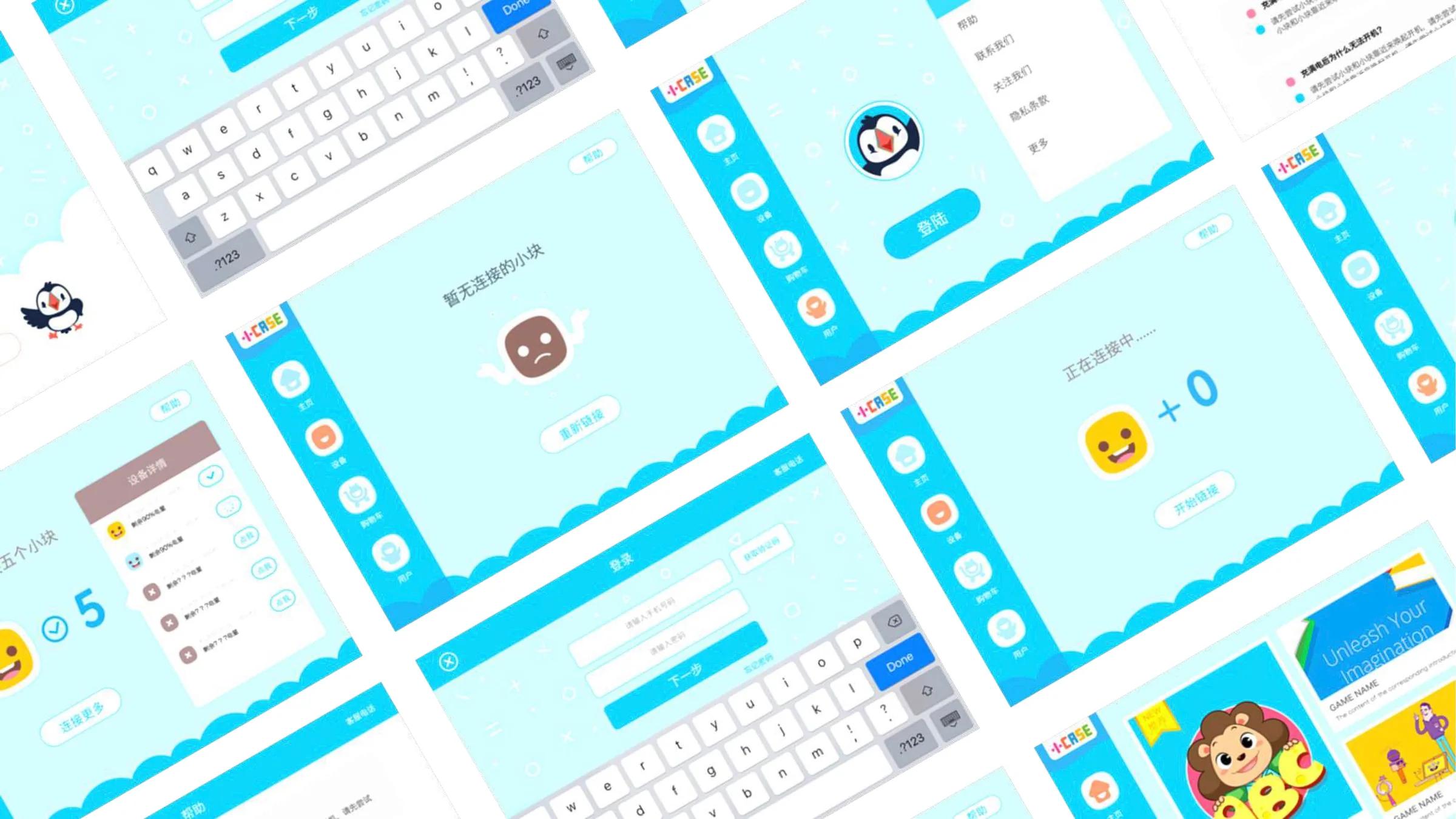
The production suite launched with three core interactive applications: Mr. White for language spelling, Alpha Planet for narrative-driven alphabet exploration, and Food Master for ingredient recognition. Alongside the game content, we developed a comprehensive child-friendly design system and UI guidelines—including custom icon systems, structured device-pairing user flows, and an intuitive instructor dashboard—ensuring a seamless, adaptive experience across both hardware screens and the tablet platform.
Outcome
i-CASE successfully tackled a major pain point in the early education market: the lack of true physical and social interaction in standard digital products. The project shifted childhood screen-time dynamics from passive consumption to highly collaborative, hands-on play. By establishing a scalable "hardware + software + content" platform architecture, the system provided a highly repeatable model for launching future educational modules and character-driven IPs.